
Digital Literacy & Core Computing Understanding Framework
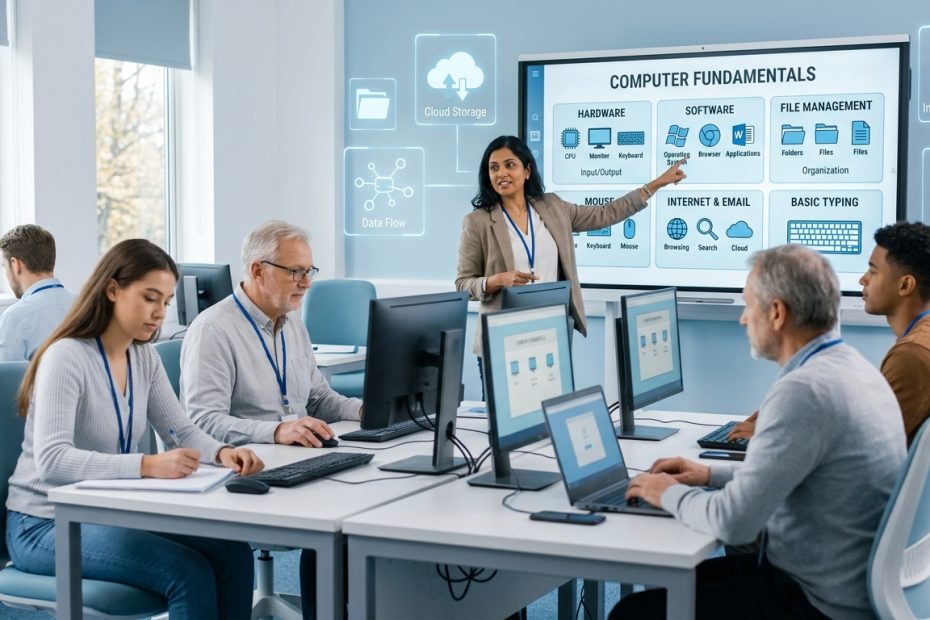
In the modern digital world, the importance of Basic Computer knowledge has become a fundamental requirement for students, professionals, and everyday users who rely on technology for communication and productivity. A Basic Computer refers to the essential understanding of how a computer system operates, including its hardware components, software applications, operating system functions, and basic user interactions that allow individuals to perform daily digital tasks efficiently. Learning Basic Computer skills helps beginners develop confidence in using devices such as laptops and desktops while also improving their ability to manage files, browse the internet, and use essential software tools. One of the most structured ways to begin this learning journey is through digital computer learning support service, which is designed to guide beginners step-by-step in understanding foundational concepts of computing. This service helps learners gain practical exposure to computer systems, enabling them to understand how data is processed, stored, and accessed in real-time environments. In today’s educational and professional landscape, digital literacy is no longer optional but a necessary skill for success. People who start their journey with Basic Computer education find it easier to adapt to advanced technologies such as programming, data analysis, and cloud computing. The foundation built at this stage ensures long-term success in the digital world. Overall, understanding Basic Computer systems is the first step toward becoming digitally skilled and independent in a technology-driven society where every task is now connected with computer usage.

Foundational Learning Path & Skill Building Process
In structured Basic Computer education systems, learners are gradually introduced to practical concepts through step by step computer training learning module program, which focuses on building a strong foundation in basic digital operations. This step by step computer training learning module program helps beginners understand essential tools such as word processing software, spreadsheet management, and presentation creation in a structured learning environment. By repeatedly practicing through the step by step computer training learning module program, learners develop confidence and accuracy in performing tasks without confusion or hesitation. Another essential aspect of this stage is improving keyboard efficiency through professional typing speed development course, which helps users increase their typing speed and accuracy for better productivity in academic and office environments. This professional typing speed development course also enhances user efficiency by reducing time spent on documentation tasks. Along with this, Basic Computer learners are introduced to basic system navigation, file handling techniques, and internet browsing skills that help them become more comfortable with digital platforms. The combination of practical exercises and theoretical understanding ensures that learners are able to apply knowledge in real-life situations effectively. As learners continue practicing, they begin to develop independent problem-solving abilities, allowing them to handle minor technical issues without external help. This stage plays a critical role in shaping their confidence and preparing them for more advanced computing concepts in the future, making the learning process smoother and more effective overall.

Practical Digital Exposure & Application Development Stage
As learners move forward in their Basic computer education journey, they continue strengthening their step by step computer training learning module program experience through real-world applications and interactive assignments. This step by step computer training learning module program ensures that Basic Computer learners can apply theoretical knowledge in practical environments such as offices, schools, and online platforms. At this stage, users become more familiar with essential software tools used for data entry, document creation, and communication tasks. They also gain exposure to internet-based research methods, which improve their ability to gather and analyze information efficiently. Alongside this, learners develop better control over system operations, allowing them to perform multiple tasks simultaneously with improved accuracy and speed. This practical exposure also helps in building strong analytical and problem-solving skills, which are essential in today’s technology-driven environment. As users continue practicing, they become more independent in handling digital tasks and gradually reduce their reliance on external assistance. This stage is particularly important because it transforms theoretical knowledge into usable real-world skills. By working consistently on assignments and exercises, learners improve their confidence and adaptability in using computer systems. It also prepares them for intermediate-level computer learning, where more complex software and tools are introduced. Overall, this phase ensures that learners develop a strong practical foundation that supports their long-term digital growth and professional development.

System Operation Insight & Software Interaction Understanding
During advanced beginner Basic Computer learning stages, individuals start gaining deeper insight into how computer systems function internally, including how hardware and software interact to perform different tasks efficiently. They begin to understand how operating systems manage memory, process tasks, and allocate resources to different applications running on a computer. This understanding helps learners improve their ability to use systems more effectively and efficiently. At this stage, Basic Computer learners also explore how various software applications such as word processors, spreadsheets, and presentation tools are used in professional environments. They become familiar with file organization techniques, data storage methods, and system optimization practices that enhance productivity. By practicing regularly, users develop better control over digital workflows and improve their multitasking abilities. They also learn basic troubleshooting techniques that help them identify and resolve minor technical issues without external assistance. This increases their confidence and reduces dependency on technical support. As learners progress, they become more comfortable with digital environments and start applying their knowledge in more complex situations. This stage plays a key role in strengthening their technical foundation and preparing them for advanced computing skills. It also ensures that learners can adapt to different software environments easily, making them more versatile in both academic and professional settings.

Productivity Enhancement & Technical Efficiency Development
At this stage of Basic Computer learning, users focus on improving efficiency and productivity through consistent practice and real-world application of computer skills. They develop better speed in handling tasks such as document creation, spreadsheet management, and internet research. This improvement allows them to complete assignments and professional tasks more effectively. Learners also gain better understanding of system performance optimization, which helps them use computer resources more efficiently. They learn how to manage multiple applications at the same time without slowing down system performance. This stage also emphasizes accuracy and time management, which are essential skills in modern workplaces. As learners continue practicing, they become more confident in using digital tools independently and start exploring new software applications on their own. This self-learning ability plays a significant role in long-term skill development and professional growth. Additionally, users become more aware of cybersecurity basics, helping them protect their data and maintain safe browsing habits. Overall, this stage enhances both technical and practical abilities, making learners more productive and capable in digital environments.
Learning Basic computer skills provides numerous benefits in today’s competitive world, especially in terms of career growth and professional development. Individuals with strong computer knowledge are more likely to secure better job opportunities in various industries such as education, business, healthcare, and administration. These skills also improve communication efficiency, allowing users to interact effectively through emails, documents, and online platforms. Furthermore, computer literacy enhances problem-solving abilities and supports faster decision-making processes in workplace environments. People who understand basic computing can easily adapt to new technologies and software systems, making them more valuable employees. It also encourages independent learning, enabling users to explore advanced tools and upgrade their skills over time. In the modern digital economy, computer skills are considered essential rather than optional, making them a key requirement for long-term career success. As technology continues to evolve, individuals with strong foundational knowledge will always have an advantage in the job market. This makes basic computer education a crucial investment for personal and professional growth.
Despite its benefits, learning Basic Computer skills can sometimes be challenging for beginners due to several factors. Some learners struggle with understanding technical terminology, while others may find it difficult to apply theoretical concepts in practical situations. Limited access to computers or proper training environments can also slow down the learning process significantly. Additionally, lack of guidance or structured learning support can create confusion among beginners, making it harder for them to progress efficiently. However, these challenges can be overcome through consistent practice, proper instruction, and hands-on training. With time, learners become more comfortable with digital systems and gradually improve their confidence. Regular exposure to computer tasks helps reduce confusion and enhances overall understanding. As learners continue practicing, even complex concepts become easier to understand and apply effectively in real-life situations. Persistence and patience play a key role in overcoming these early-stage challenges and achieving long-term success in computer education.

Final Integration & Digital Skill Mastery Outcome
In conclusion, building strong digital foundations through structured Basic Computer learning is essential in today’s technology-driven world. A well-designed approach such as digital computer learning support service helps beginners gain essential skills required for daily computer usage. This digital computer learning support service ensures that learners receive proper guidance and practical exposure to computer systems. Alongside this, mastering step by step computer training learning module program, and developing proficiency in professional typing speed development course, along with tools like MS Office Suite, creates a complete skill set that supports academic success and career advancement. These combined learning elements help individuals become confident, independent, and highly skilled in digital environments. Ultimately, such training ensures long-term growth, adaptability, and success in an increasingly digital world.